





Why the UK Government Has Proposed This
In its view, applying a more consistent approach to all tobacco products could reduce their visibility and appeal, while ensuring that cigars and other tobacco products are brought more closely in line with the existing rules surrounding cigarettes and rolling tobacco. The proposal forms part of a broader package of measures designed to reduce the harm associated with tobacco and prevent future generations from taking up smoking. However, critics of the proposals argue that applying the same approach to handmade, premium cigars fails to recognise the significant differences between cigars and mass-market tobacco products, particularly in terms of how they are produced, sold and consumed.
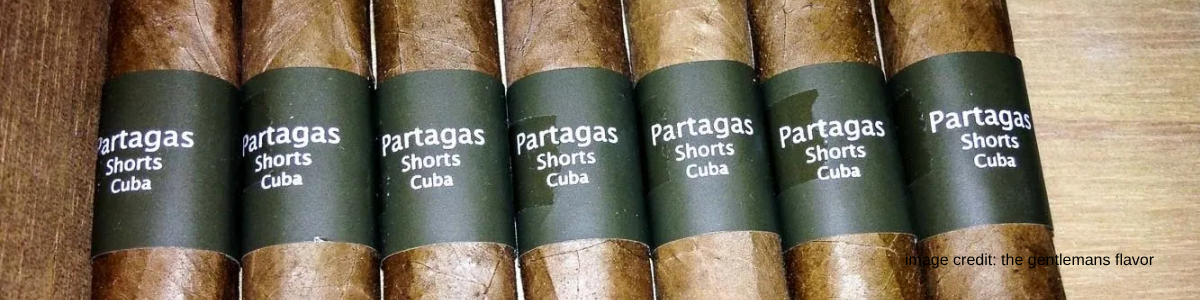
The Difference of Branding Cigars vs. Cigarettes and Vapes
The Stories Behind the Brand
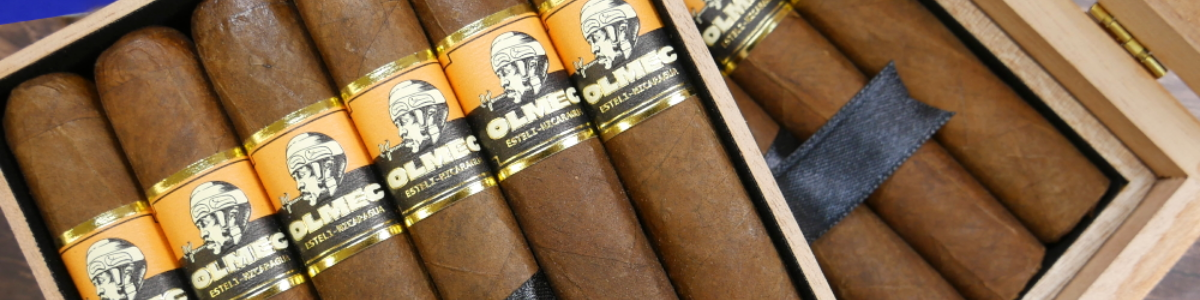
Foundation Cigars Olmec
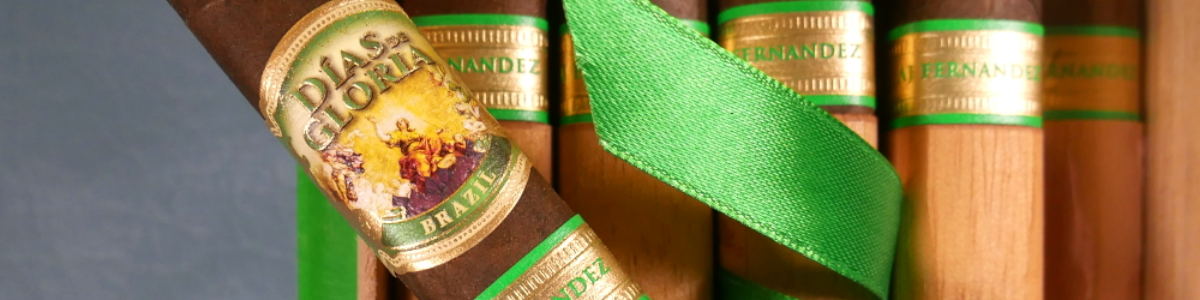
A.J. Fernandez Dias de Gloria
E.P. Carrillo La Gloria Cubana

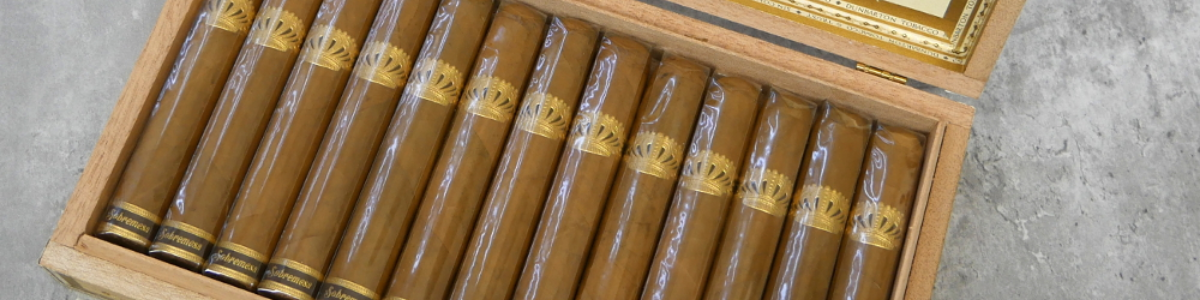
Dunbarton Tobacco & Trust Sobremesa
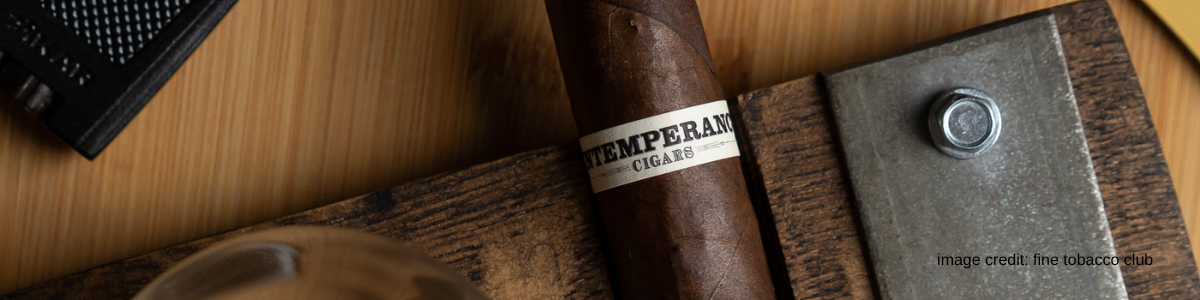
RoMa Craft Intemperance
The Importance of Branding to Manufacturers
This is particularly important in the premium handmade cigar market, where there can be significant differences between products that, at first glance, may appear very similar. The name, band and presentation allow manufacturers to communicate what makes their cigar different. A brand can tell a consumer that a cigar comes from a particular country, was produced by a particular factory, uses tobacco from a particular region or has a history stretching back decades.
There is also an important distinction between branding a product and advertising a product. A cigar manufacturer may use its branding to identify and distinguish its product without actively encouraging somebody to start using tobacco. The name and band can simply tell an existing adult consumer what they are purchasing. This becomes particularly significant for smaller manufacturers. A large multinational company may have enormous resources behind its name, whereas a smaller premium cigar manufacturer may rely heavily on the reputation and identity it has built around individual brands. If every product is required to adopt essentially the same visual presentation, the ability of those manufacturers to communicate their individual identity is substantially reduced.
In other words, standardisation does not simply make packaging less attractive. It potentially removes one of the primary ways a manufacturer can distinguish its product from another.
The Impact on Growers and the Wider Industry
For tobacco-growing regions in countries such as Nicaragua, the Dominican Republic, Honduras, Mexico and Cuba, tobacco is part of a much wider agricultural and cultural tradition. Different regions produce different varieties of tobacco, and the characteristics of the soil, climate and cultivation methods can all influence the final product. A cigar's branding is often one of the ways that connection to its origin is communicated.
This is particularly relevant to premium handmade cigars because their provenance can be an important part of their identity. A consumer may deliberately choose a Nicaraguan cigar, for example, because of the country's reputation for producing particular styles of tobacco. Another may choose a cigar from the Dominican Republic because of its connection to a particular factory or tobacco-growing region.
If packaging becomes standardised to the point where these visual distinctions disappear, the concern is not simply that a box becomes less attractive. It is that some of the information and cultural context traditionally communicated through that presentation becomes harder to convey.
The Government's consultation itself recognises that the proposed measures could affect businesses and asks respondents to provide evidence about impacts on manufacturers, importers, distributors and retailers.
For an industry built around heritage, craftsmanship and provenance, that is an important consideration. The question is therefore not simply whether a cigar package looks appealing, but whether there is a meaningful difference between removing promotional imagery and removing the visual identity that allows a product, its manufacturer and its heritage to be recognised.
Why This Matters to Consumers
Branding can also provide a sense of provenance. A band can tell a consumer who made the cigar, where it came from and which particular expression they are buying. In some cases, the name itself carries information about the cigar's history, while the imagery may reference a person, place, culture or event connected to its creation.
This does not mean that branding makes a cigar safer, nor does it mean that consumers should be encouraged to use tobacco. The argument is instead about consumer identification and informed choice. If two products are visually indistinguishable apart from a small standardised name, it becomes considerably harder to communicate the differences between them.
For a premium cigar market, where consumers may be choosing between different tobacco origins, blends, manufacturers, sizes and ages, that distinction matters. The Government's proposal is designed to reduce the appeal of tobacco products, but critics can reasonably ask whether removing the identity and heritage of premium cigars is necessary to achieve that objective, particularly when adult consumers are already purchasing a legally available product through specialist retailers.
The cigar industry therefore faces a difficult question: if the objective is to reduce youth uptake and prevent people from beginning to use tobacco, should the same packaging restrictions necessarily be applied to products whose consumers, purchasing environment and patterns of use can be very different from those of cigarettes?
Branding Is More Than Decoration
The Foundation Cigar Company's Olmec, for example, draws its identity from the ancient Olmec civilisation and Mexican tobacco heritage. E.P. Carrillo's La Gloria Cubana, now produced under the Casa Carrillo name, reflects the history and legacy associated with one of the industry's best-known cigar brands. Sobremesa, meanwhile, takes its name from the Spanish tradition of lingering at the table after a meal, using that idea to express the cigar's connection with conversation, relaxation and shared experience. These are not arbitrary designs created simply to make a box look attractive.
For these brands, the presentation is part of the storytelling. Remove the imagery and the consumer is left with the name of the product, but much of the context behind that name becomes considerably less visible.
That is ultimately why the debate around plain packaging for cigars deserves more nuance than simply asking whether attractive packaging makes tobacco appealing. There is a legitimate public-health argument for regulating tobacco, and cigars are not risk-free products. The Government is clear on that point, stating that cigar and pipe smoking is associated with increased health risks.
But there is also a legitimate question about whether removing the heritage, identity and differentiation of premium cigars is a proportionate way of achieving those public-health objectives. A cigar band can be simultaneously a piece of branding, a means of identification and a representation of history. Treating all of those functions as nothing more than an attempt to make tobacco attractive risks overlooking what cigar branding actually represents.
The Question of Regulatory Consistency
Alcohol is a product that can cause significant health and social harm, yet adults in the UK are still routinely exposed to alcohol branding across television, sport, hospitality, advertising and major events. Alcohol companies can build elaborate brand identities around heritage, craftsmanship, provenance and lifestyle, with premium bottles, distinctive labels and sophisticated advertising campaigns all forming part of the consumer experience.
This is not to suggest that alcohol should be banned or that its risks should be ignored. Alcohol advertising is already subject to restrictions, and irresponsible promotions are prohibited. The Government's licensing guidance, for example, specifically restricts promotions that encourage excessive drinking, while the UK's advertising framework requires marketing to be legal, truthful and socially responsible.
The difference is that alcohol has not been subjected to the same comprehensive removal of brand identity that tobacco has. A whisky producer can still tell consumers about the history of its distillery. A wine producer can communicate the characteristics of its vineyard and region. A premium spirits company can develop distinctive packaging and a recognisable visual identity. These products can therefore acknowledge their heritage and differentiate themselves while operating within a regulated market.
The scale of alcohol-related harm should also not be underestimated. The latest Office for National Statistics figures recorded 9,809 alcohol-specific deaths in the UK in 2024, following a record 10,473 in 2023. The Government itself estimates that the wider health and societal costs of alcohol use in England exceed £27 billion a year.
That raises an uncomfortable question in the context of cigar packaging. If the Government accepts that an adult market can exist for a harmful product such as alcohol, while allowing producers to communicate their heritage, provenance and identity, why should premium cigars necessarily have their own visual identity removed altogether?
The argument is not that alcohol is harmless, nor that cigars should be treated as harmless. It is about whether regulation can distinguish between promotion and identification. There is a difference between encouraging somebody to take up a harmful product and allowing an existing adult consumer to identify the particular product they have chosen to purchase.
If the objective is to reduce tobacco use and protect young people, there is a legitimate debate to be had about which measures are proportionate and effective. But removing the identity of an entire category of premium handmade products raises questions about whether the policy is addressing the specific behaviour it seeks to change, or simply applying the broadest possible restriction across an entire industry.
To find out more about this issue, and have your say, visit www.savecigars.co.uk
Article by Lewis Hearn