
Cookies help us deliver the best experience on our website. By using our website, you agree to our use of cookies in accordance with the C.Gars Privacy Policy
Cookies help us deliver the best experience on our website. By using our website, you agree to our use of cookies in accordance with the C.Gars Privacy Policy



Dunhill pipes are renowned amongst all pipe smokers, they are considered the ultimate luxury for the pipe smoker.
In 1907 Alfred Dunhill opened his first tobacco shop on Duke Street in London, he started out by importing his tobacco pipes until 1912. From 1912 he introduced the White Spot which was considered the correct position for hand-cut mouthpieces.
Dunhill White Spot pipes come in various ranges and finishes, each catering to different preferences in terms of appearance, texture, and smoking experience.
These ranges reflect different levels of craftsmanship, briar quality, and design aesthetics. Here are some of the most well-known and popular ranges within the Dunhill White Spot pipe collection:
1. Amber Root
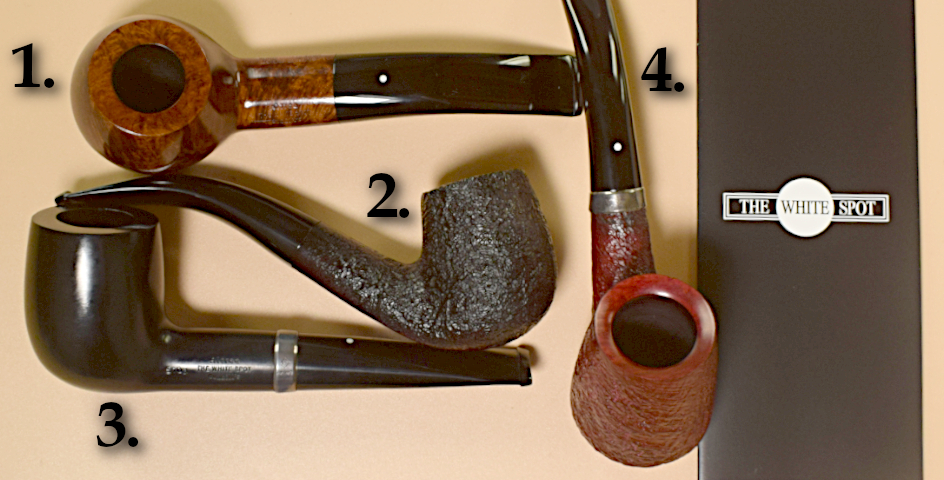
Similar to the Root Briar but with a warmer, amber-toned finish, the Amber Root range is a more recent addition to Dunhill’s lineup. These pipes are finished in a smooth, amber-brown stain that accentuates the grain patterns of the briar. They provide a luxurious feel and are sought after for their beautiful contrast between light and dark hues in the grain.
2. Shell Briar
Introduced in 1917, the Shell Briar is a hallmark of Dunhill's innovation in sandblasting techniques. These pipes have a distinctive rough texture, created by sandblasting the briar to expose the wood’s natural grain pattern. The deep black or dark brown finish of the Shell Briar pipes gives them a rugged yet elegant appearance. Due to the process of sandblasting, each Shell Briar pipe has a unique texture, making them highly collectible.
3. Dress
The Dress range offers a sophisticated, high-polished black finish, making these pipes some of the most striking in the Dunhill lineup. The glossy black bowl paired with the iconic white spot on the stem gives the Dress pipes a sleek, formal appearance, making them suitable for special occasions. They are highly polished, creating a smooth, mirror-like finish that sets them apart from other ranges.
4. Ruby Bark
The Ruby Bark range features a sandblasted finish similar to the Shell Briar but with a deep ruby-red stain. This bold colour sets the Ruby Bark apart, offering a more modern and eye-catching appearance. The sandblasted texture reveals intricate grain patterns, making each pipe unique. This range is ideal for those who enjoy the rough texture of a Shell Briar but prefer a richer, more colourful finish.
5. Chestnut
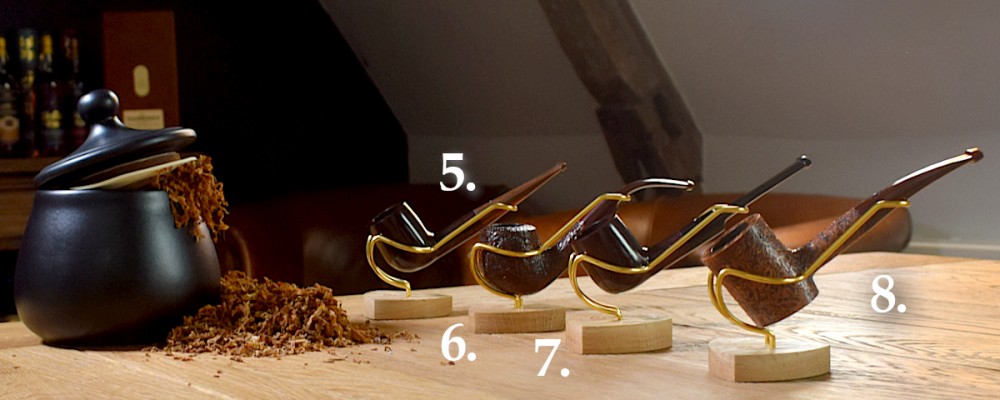
The Chestnut range offers a rich, chestnut-brown finish with a smooth or sandblasted surface. These pipes are known for their deep, warm tones, which bring out the natural beauty of the briar. The pipes often feature vulcanite stems and provide a perfect balance between tradition and elegance, offering a slightly darker and more understated alternative to the Root Briar or County finishes.
6. Cumberland
The Cumberland range features a smooth or sandblasted finish with a distinctive reddish-brown hue. What sets these pipes apart is their stems, made from Cumberland (a type of vulcanite) that has reddish-brown streaks, complementing the finish of the bowl. Cumberland pipes are known for their refined appearance and are a favourite among smokers who appreciate subtle elegance.
7. Bruyere
The Bruyere is one of Dunhill’s oldest and most iconic finishes, introduced in 1910. These pipes feature a deep red, almost burgundy, stain with a smooth finish, highlighting the natural grain of the briar. The Bruyere pipes often come with black vulcanite stems and are cherished for their timeless, classic look.
8. County
The County range is distinguished by its warm, honey-brown finish and sandblasted texture. This range is similar in technique to the Shell Briar but offers a more natural, earthy tone. The honey-coloured stain brings out the details in the briar grain, providing a rustic yet sophisticated look. It appeals to those who prefer a lighter-coloured pipe with the rugged texture of sandblasting.
We offer Free Shipping Worldwide on all Dunhill Pipes! So get yours today before it's too late!
Click here to view the range of Dunhill Pipes
Written by Oliver Partington








Part of the Dominique London Group