A pigtail-cap cigar is a handmade cigar distinguished by a small twisted “tail” of tobacco at the head. Instead of trimming the cap flush with the body of the cigar, the roller twists a bit of the wrapper or binder leaf into a tight knot. This twist resembles a pig’s tail, which gives the feature its name. The pigtail is purely a stylistic finish, not a separate component; it’s simply an extension of the same leaf used in the cap.
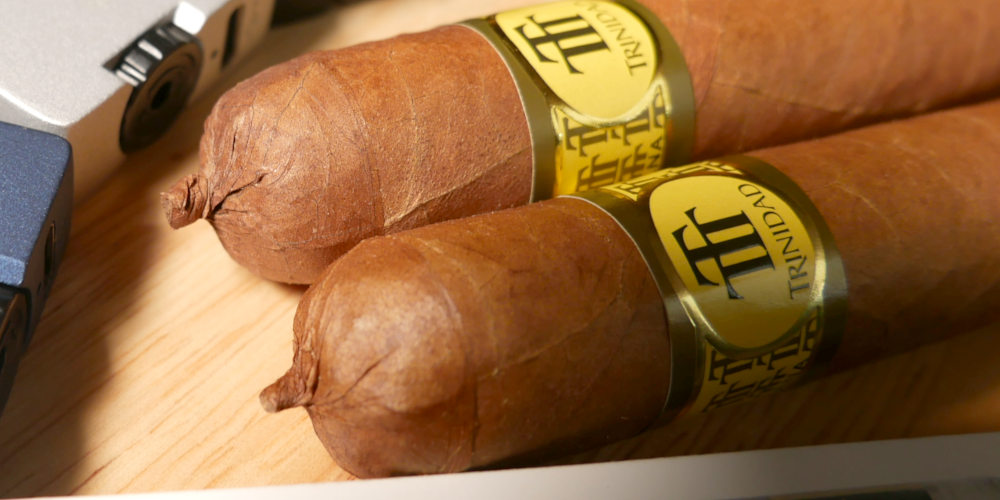
The style is closely tied to Cuban cigar traditions of the 19th and early 20th centuries, where certain vitolas were known for their distinctive caps. Some factories used the pigtail to differentiate small-batch or speciality lines. As cigar production spread to Nicaragua, the Dominican Republic, and Honduras, the technique followed, preserved mainly by rollers trained in the Cuban method. While machine-made cigars dominated much of the 20th century, the pigtail cap survived as a boutique feature emphasizing craftsmanship.
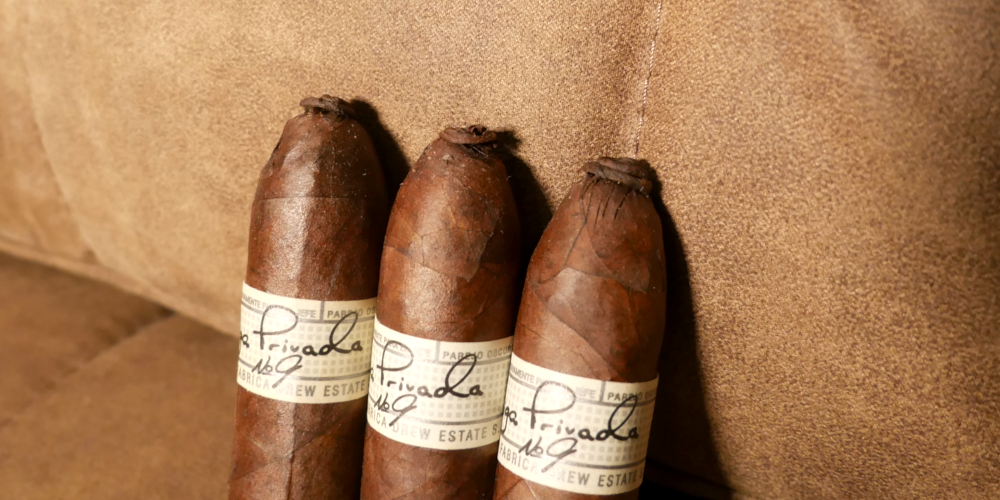
For many cigar enthusiasts, the pigtail is a visual cue of craftsmanship. Because the twist must be formed carefully by hand, it’s often associated with traditional rolling techniques and premium or small-batch cigars. Some smokers use the pigtail as a convenient way to open the cigar—by gently pulling it off—though many still prefer a cutter for a cleaner draw.
Written by Oliver Partington









Part of the Dominique London Group