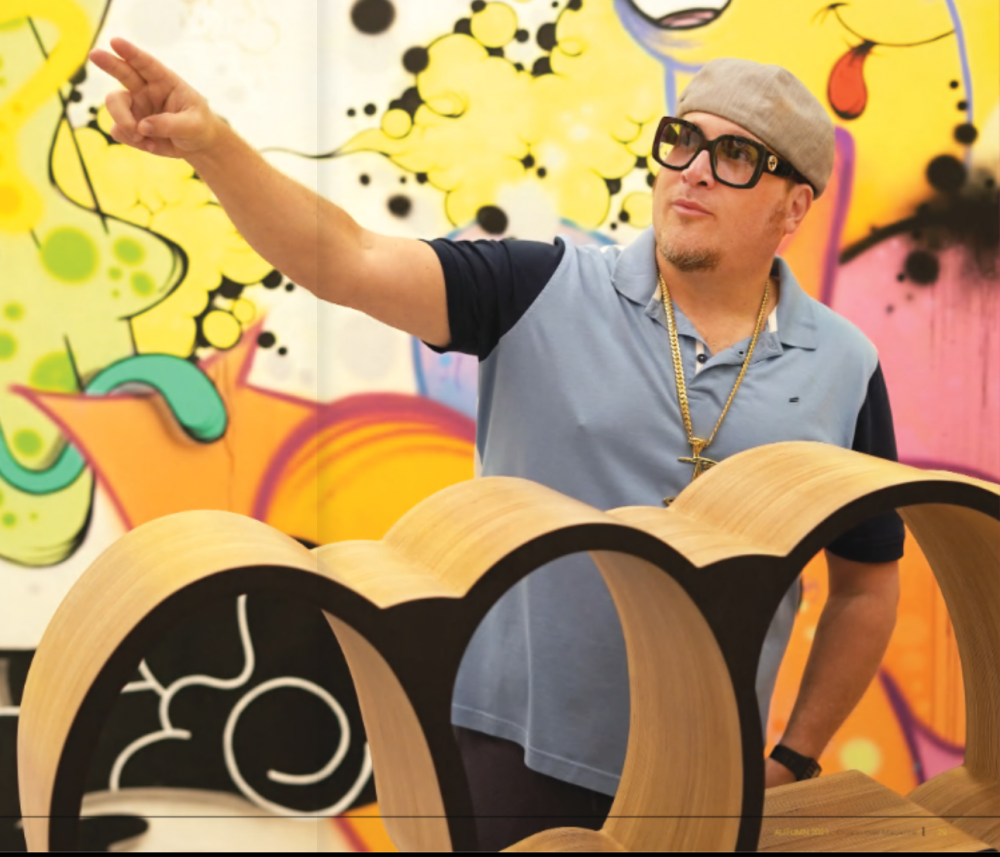
 Jonathan Drew The American Dream by Michel Arlia
Credit - Cigar Lovers magazine - https://www.cigarslover.com/en/
F rom rags to riches," or "from the bottom to the top, There are so many colloquialisms that describe someone's ascension from nothing to something. Making it big is synonymous with the American Dream. One of these amazing stories is Jonathan Drew's rise in the cigar industry with Drew Estate. Their "Rebirth of Cigars" mantra couldn't be truer, as the brand is among the leaders of the "Boutique Cigar" craze and was also pivotal in helping get the cigar industry out of the post cigar boom slump. Their modern approach introduced a new generation of smokers to cigars. This year marks the company's 25th Anniversary; we talk with Jonathan about the past, present, and future.
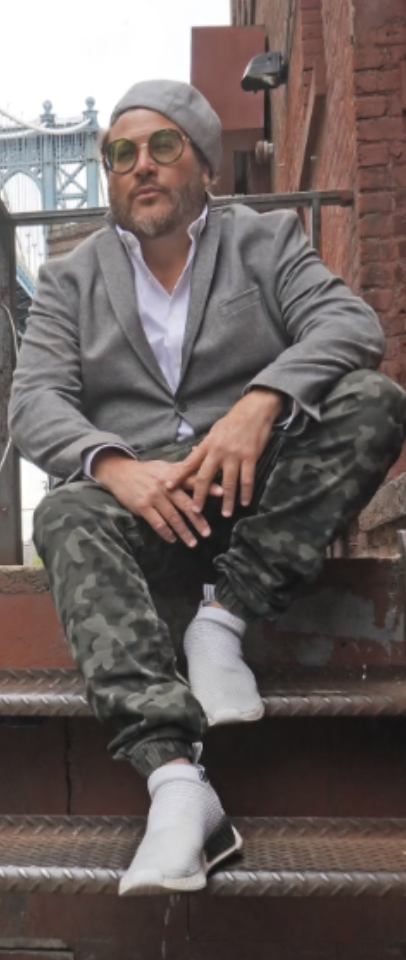
Jonathan, before you stepped into the cigar industry, what was your dream in College? What did you want to be?
I was studying Intellectual Property Law with a real focus on Digital Law, Internet Law and how that was based on Property Law, which is essentially based on the Torah. That was my big interest in college and law school. In 1991, I worked for Alfonse D'Amato (U.S. Senator from New York) as an intern in Washington, D.C., and that's where I got introduced to cigars. At Brooklyn Law I did my internship at the Suffolk County District Attorney's office.
Back in 1995, you started selling cigars out of a small Kiosk in New York City's World Trade Center. What pushed you to open a Kiosk, and why did you focus on cigars?
In 1995, I was an Assistant District Attorney in Suffolk County and I had a house that I partly owned in the Hamptons and that's where I became "The Cigar Man." Everyone who wanted cigars came to me. I was buying them for me. I would bring a couple of boxes down so that I had some choice and by the end of the weekend I had none left. I was giving them away. The next weekend, I brought five boxes down and by the end of the weekend there were none left. I began thinking that if everybody was coming to me for cigars, I should open a cigar shop because I enjoyed it, and everybody knew me as The Cigar Man. The next year was the year that I opened my kiosk in the World Trade Center.
Shortly after, you launched your first line, La Vieja Habana. Why did you want to make your own cigar, and where was the cigar made at the time?
La Rosa on Sixth Avenue in Manhattan made La Vieja Habana. I didn't know it then, but I was always a brand man. It's not that the cigars out there weren't good enough or had diverse flavor, it's that my concept of what was a brand had very little to do with the cigar in the box. It was a lifestyle brand, about the culture. It was about creating that journey for cigar people to get together and have brands that they felt were theirs. It was about creating a cigar culture more than a brand.
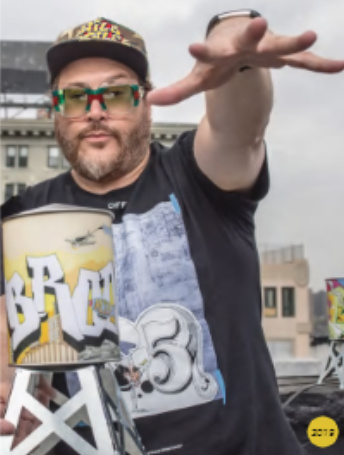 I went from retailer to brand owner to independent rep back to brand owner. As soon as I opened my retail store, I wanted my own brand. But the brand extended beyond just the cigars it was about getting together, smoking together, having fun and doing fun things and having great intellectual conversations. It was the early embryonic stages of a community and lifestyle brand. That's what made it so authentic. What made Drew Estate so authentic was that we were really doing the same thing in our first year that we are doing in our 25th year--building a brand that was deeper than just a box of cigars on a shelf. The brand is about exploring life to the fullest, having fun and being communal.
Everything was about Cuba at the time. It was all rooted back to Cuba and Drew Estate wanted to be everything that was not Cuba. The brand was beyond cigars. Even in the earliest days it was about a lifestyle brand. We were as much about the event as we were about the cigar; we were as much about community and being together and doing fun stuff as we were about ringing the register. We were a New York original and were never trying to be about Cuba. In all the industry, everything toggled back to Cuba and Drew Estate never did that. There was no historic connection to Cuba. It was all fresh and clean. New York ingenuity and New York lifestyle. It was a New York lifestyle brand. We didn't see the same borders and boundaries that started and ended with Cuba. We removed that from the entire equation.
Yet your first brand’s name was rooted in Cuba.
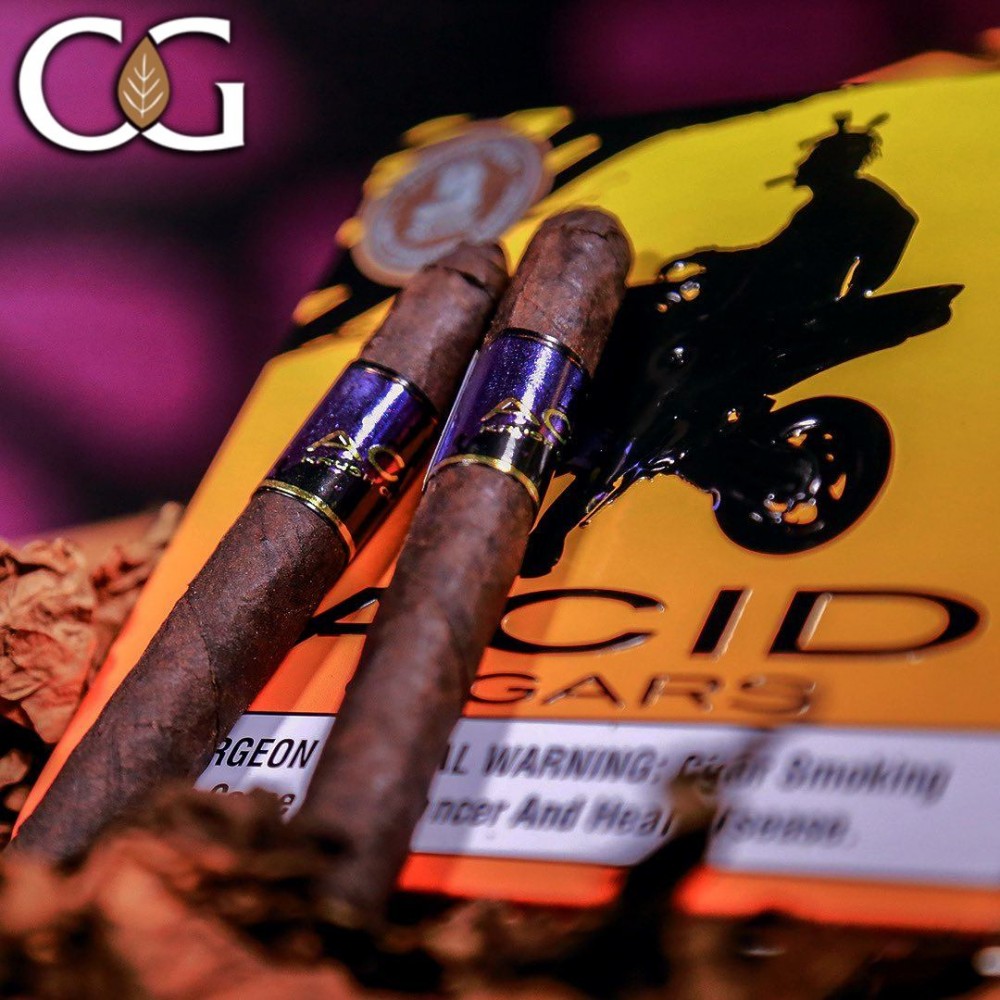
W e did it because it felt right. It wasn't as thoroughly thought through. It didn't catch. It was a mis-step. That was our brand at our kiosk. It was learning the difference between a brand like La Vieja Habana that you had to push all day as opposed to ACID, which people immediately recognized as Drew Estate. La Vieja Habana was a natural and organic realization of who we are and who we were becoming. It was like, "Whoa, why did we even do that?" It was part of our self-discovery.
In 1997 the bubble of the cigar boom burst, and all seemed over. How was your business doing at the time?
We were in transition. We were still a retailer, but we were preparing our plan to move to Nicaragua. Our business was doing terribly because we were in limbo making the transition between retailer and independent rep and moving to Nicaragua to establish Drew Estate as a manufacturer.
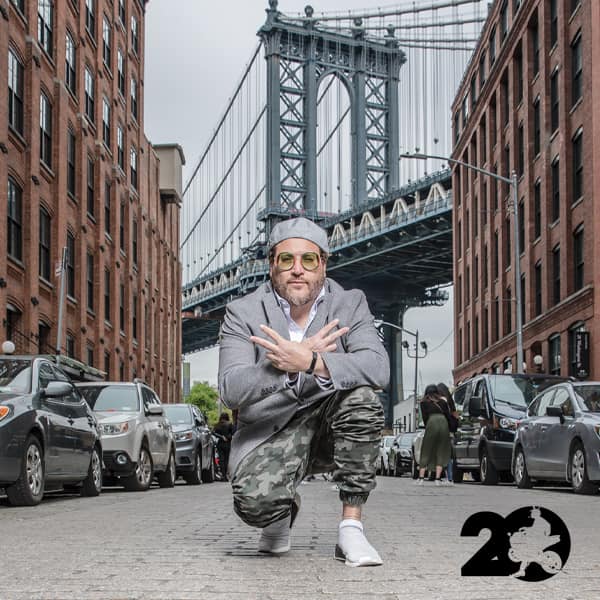
You also decided to move to Estelí, Nicaragua, in '98. How much of a culture shock was it when you got there?
It was incredible. By the time I came home months later, I looked like a mountain man with a long ZZ Top beard. The culture shock was tremendous getting there and after a year being there and coming back to the States, people re - ally noticed that I was struggling very much. Back then, Nicaragua wasn’t what it's like now with all the cigar tourism and great restaurants. Estelí was a city with three or four restaurants in it. There were bullet holes in doors and buildings everywhere and huge potholes in the streets where bombs had exploded. The town had two gas stations and one traffice light. The culture shock was im - mense. It was like moving from New York City to Mars. I didn't speak Spanish and I had nowhere to live. To put it mildly, it was shock and awe.
Your family does not have any history in the cigar industry, so you had to build relationships with people in the industry to expand your knowledge. Who were and are some of your influences, mentors in the cigar business? Jose Orlando Padron. Nick Perdomo Sr. Kiki Berger. Nestor Plasencia Sr. Juan Francisco Bermejo. Omar Ortiz. Carlito Fuente. Manuel Quesada. Ernesto Perez-Carrillo. Rolando Reyes Sr. Benji Menendez. Estelo Padron. Frank Iannessa. The ones who helped me the most were Kiki Berger, Orlando Padron and Nick Sr.
Instead of going to a cigar manufacturer and let you have them make the cigars for you, you went against the grain and owned your own factory. Why didn't you go the easy way?
It was all about being authentic. Perdomo made La Vieja Habana for me but that was phasing out. By the time I mo - ved to Nicaragua we made everything ourselves. We wan - ted to have privacy and do our own thing. In our transition from New York to Nicaragua we had cigars made for us but after that, we did it all ourselves.
The first couple of years were rough, to say the least. Were you ever close to going bankrupt or quitting everything?
We were in a perpetual state of being close to bankruptcy.
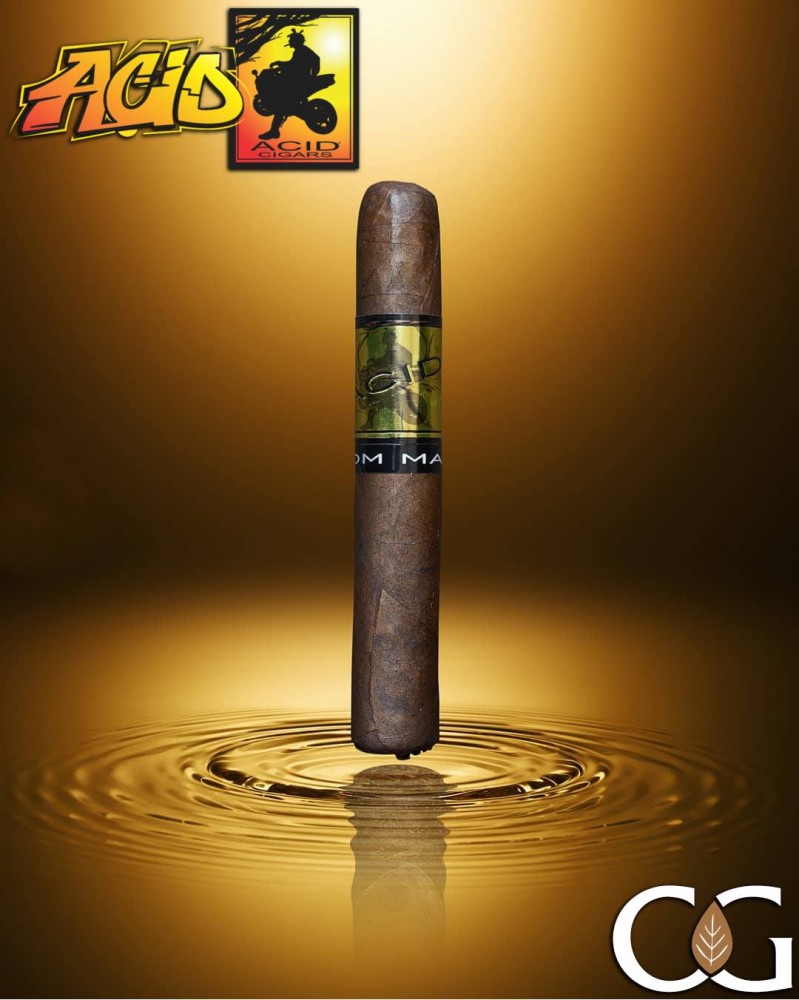
On one of your trips back to Brooklyn, you returned with some new blends, among which was also what later was going to be the "ACID" blend. How did you decide on the name?
The brand was based on a person who lived in New York City who we thought was a super-cool dude who really represented what we were all about. The concept of ACID was about tying a New York, local institution, this guy, ACID Scott Chester, to the great cigars that we wanted to make. A new way of thinking. A new company that wasn't there just to hock cigars but create a New York attitude.
While infused cigars weren't anything new, you made a big splash, and the "ACID" cigars were an instant hit. What do you think was the reason that the brand did, and still does, so well? Whose idea was it to do an infused cigar?
It does so well because it tastes good and it's authentic. It has New York swagger. People love the smell of it as much as the taste of it, so it's a very inviting and welcoming cigar. It's an easy-smoking cigar that's not made to test the level of strength that you can handle.
It's foundationally strong--it tastes good, the style is right, the fit is right, the company behind it is authentic, and people who smoke it want to be part of our family. They smoke ACID because they love the way it tastes, and they love the way they feel about themselves when they're smoking it. That hasn't changed.
Ultimately, Marvin [Samel, Jonathan Drew's partner in creating Drew Estate] and I came to that decision together.
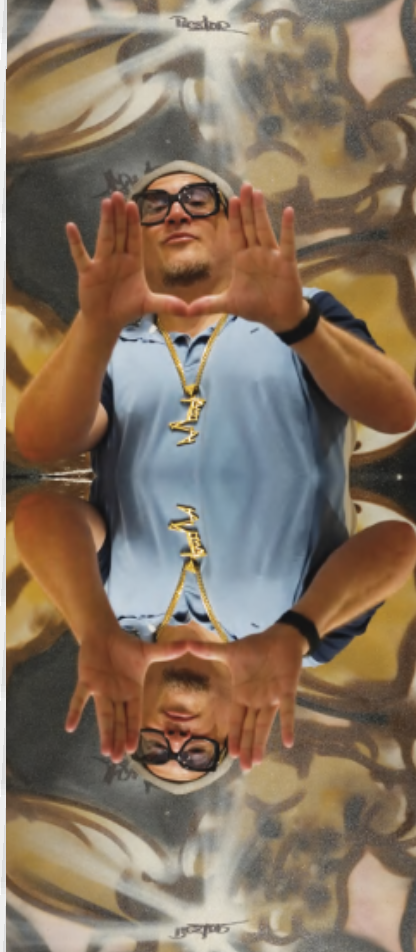
Another significant factor that resonated especially with the younger generation was and is your modern artwork. How much of New York City's influence is reflected in your designs? New York City graffiti/urban/hip-hop culture is embedded in the cornerstones of the brand.
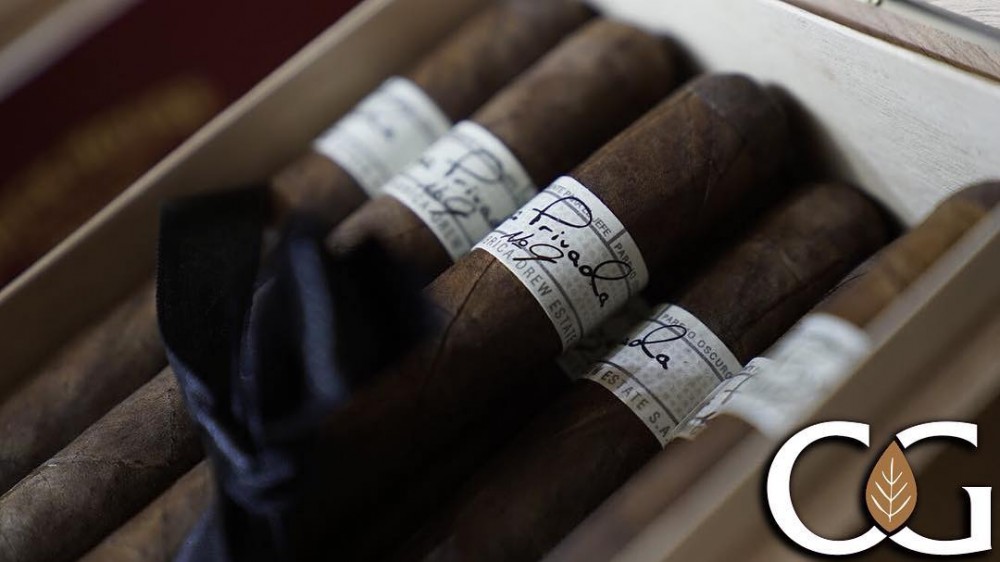
In 2007 you released the Liga Privada No. 9, your flagship premium line, and won over even the more traditional cigar smokers with it. What was it that made the Liga Privada stand out so much more than the other non-infused lines in your portfolio?
Our commitment to the Connecticut River Valley and being able to completely explain what you're smoking when you're smoking Connecticut River Valley tobacco. Just as Nicaragua has its right time to shine and make it on the world stage, so does the Connecticut River Valley. We happened to be there for both of those moments. We were there when the explosion happened. We believe we had a lot do with both of those explosions.
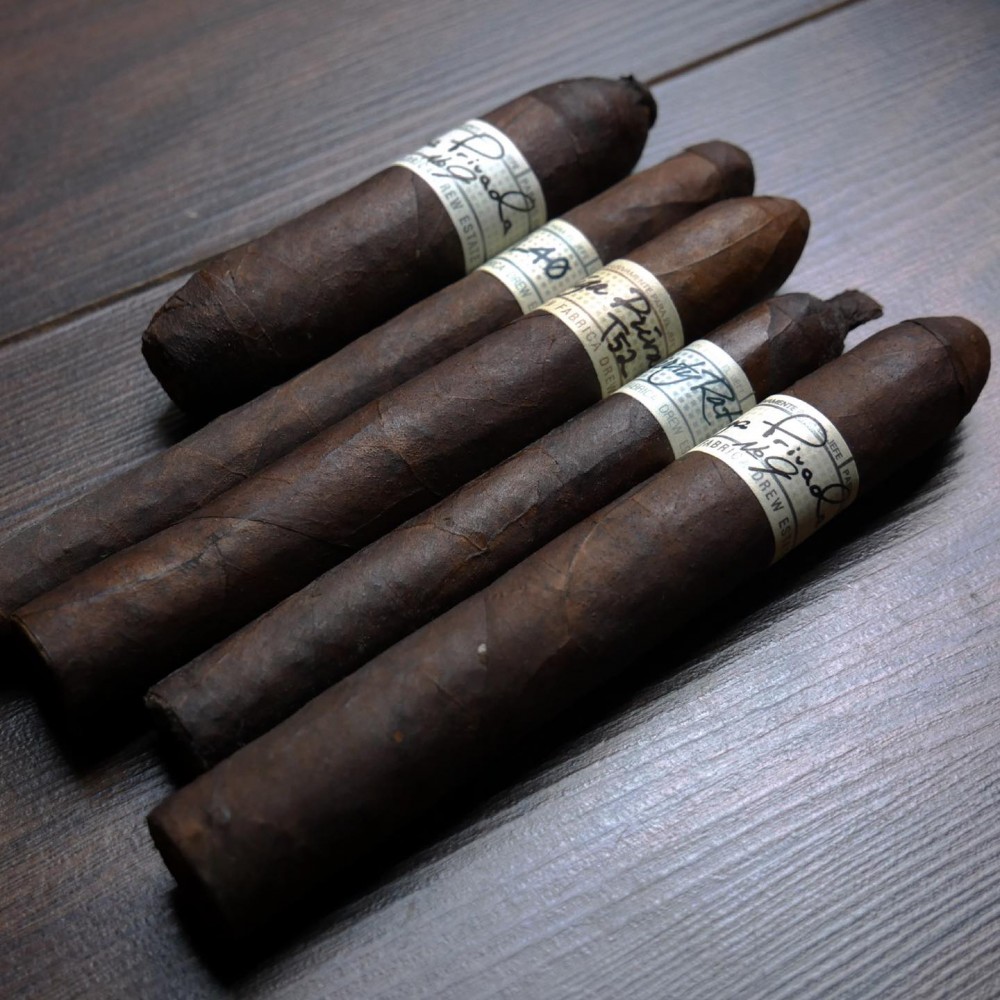
Liga Privada uses tobacco from Honduras, Nicaragua, Brazil, and the US. There are seven different tobaccos from four different origins used in the blend. How did you get access to these tobaccos, and why did you decide on a multi-origin blend? For Liga Privada, we were looking to create a cigar that had strength, smoothness, and a little bit of uncut rawness. It was a very complex cigar to create. If I had to compare Liga Privada with a person, it would be like someone who is wearing a $20,000 Italian suit and seeing him later in the afternoon at the pool and his body is covered with tattoos.
Liga Privada covers that range in its blend. To do that, we had to blend from a diverse group of farms. All those tobaccos were tobaccos that we loved independently. All of them were great individually and when we put them together to create the first nine blends to create Liga Privada No. 9 it was like putting together all our favorite tobaccos together. They were immaculate by themselves but when they came together, they created a symphony.
Next to the launch of Liga Privada in '07, you also opened the largest cigar factory in Estelí, La Gran Fabrica Drew Estate. Was building that factory also a way for you to give back to the people of Estelí?
No. That was a way to consolidate from 11 small factories across Estelí to one central place. That street, that block, that 'hood became Drew Estate's home.
You switched from a small factory to being one of the biggest factories in the business. How crazy was the change? How much time were you spending in Estelí back then?
It was a dream come true. Very few people will understand how much the shift from those 11 small factories to La Gran Fabrica Drew Estate was a once-in-a-lifetime experience.
Let's jump forward to 2014 when Swisher International acquired Drew Estate. Were you approached, or were you looking to sell, and why? How tough were the negotiations?
We kind of came together. The two cultures of the companies fit together really well. They are a very irreverent company, and we are a very irreverent company, so there were a lot of similarities between our two companies. One was more mature, more professional and more executive and the other one was a little more raw, younger and kind of unchained. Behind all that, we shared similarities of quality and being built to last.
After the purchase from Swisher, only 3 years passed until you were back as President of Drew Estate. What was going on at Drew Estate during those years that they wanted you back? What were you doing in those three years "off"?
I didn't have three years off. I was on the road spreading the Drew Estate culture as an ambassador for the company I had built. I was not in an operational role. When I became President three or four years ago, I took on an operational role again. I never went a day after selling Drew Estate without getting a paycheck from Drew Estate. I was the Founder, and my job was to reinforce the company's culture and spread it throughout the world. Then they decided that they wanted me to take up an operational position and use my talents to help grow the business while ensuring that we stayed true to our roots.
Now, 25 years later, Drew Estate has become a worldwide recognized brand. What is the trajectory of the brand from here? What do you have in store for us for the future?
Continue to strengthen the Drew Estate branded house by not just releasing products but by also continuing to allow the cigar community and our fans to have fun and enjoy the ride. It's not just about selling more cigars but by maintaining the culture and growing the community by teaching the world that we can have great times together and share great moments together.
From the house of brands side, it's to continue to be artists and enlist our imagination; push the boundaries of our authenticity and experiences in life; and collaborating with new forms of The Rebirth of Cigars. There are a lot of components that have nothing to do with tobacco and we want to continue investigating those aspects that make us an interesting company.








Part of the Dominique London Group