Cookies help us deliver the best experience on our website. By using our website, you agree to our use of cookies in accordance with the C.Gars Privacy Policy
Cookies help us deliver the best experience on our website. By using our website, you agree to our use of cookies in accordance with the C.Gars Privacy Policy



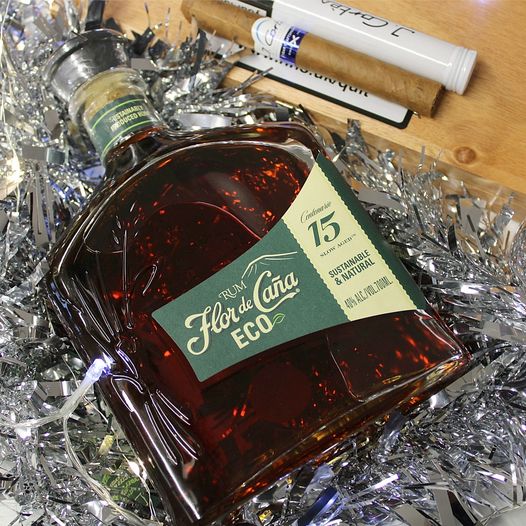 1. Did you know rum is the oldest spirit in the world? and has a very interesting history. It was the first alcohol to be distilled and manufactured, starting in the Caribbean in the 1620's. It was also the first spirit to be drunk for pleasure as alcohol used to be used for medicine.
2. The oldest commercial rum distillery is the world-renowned Mount Gay distillery which can be found in Barbados, they have a deed for the company dating back to 1703. However Bacardi has the world’s largest distillery in San Juan (Puerto Rico), known as the ‘Cathedral of Rum’ it produces over 100,000 litres of rum every day - That's a lot of cocktails!
3. All the way back in the 1700s, sailors in the Royal Navy would sometimes be paid with rum. The strength of rum in the past has always been at least 57% ABV and to ensure that it had not been watered down, the sailors would mix it with gunpowder and set it on fire - If the rum caught fire then that was proof that it was the right strength. This is why spirit strength is described using the term ‘proof’ and why ‘Navy strength’ rum must be at least 57% ABV.
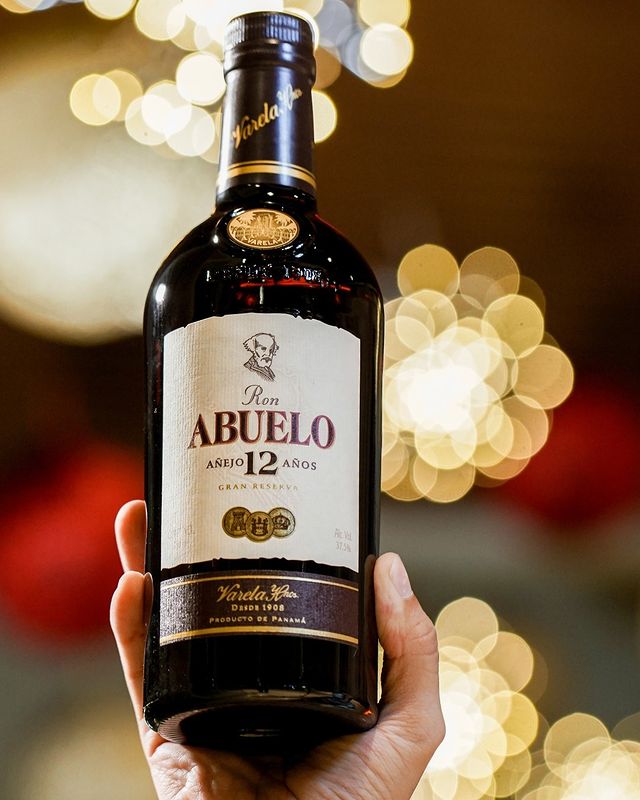 4. The label on a bottle of rum will either note ‘rum’, ‘ron’ or ‘rhum’ - This is all depending on where it’s made. The English Rum, is a traditional rum, made with molasses and tends to release more vivid, spiced, and heavy notes. The Spanish Ron, the Ron, is also made by fermenting molasses and thus has similar characteristics to 'Rum', but tends to offer a slightly lighter and smoother flavour profile. The French Rhum is recognised as 'Rhum Agricole' is made with pure sugar cane juice. It provides floral and fruity notes.
5. It is believed that it can actually prevent hair loss. In the 1800s rum was used by many as a type of shampoo to clean their hair and most of those people found it made their hair thicker too. Many people to this day still believe in the home remedy to keep their hair intact.
6. In 2011, two employees at Harewood House in Leeds were making an inventory of the contents of the wine cellar. Under a layer of dust and mould they found a batch of rum dating back to 1780. At an auction in 2014, the last 16 bottles sold for a total of £135,000
7. For most people, rum is mainly associated with the Caribbean, however the sugar cane needed to make rum doesn’t come from there. The sugar cane originally came from South East Asia and was used for animal feed. It was introduced to the Caribbean by Christopher Columbus in 1493 when he landed on Hispaniola, which is an island now shared by the Dominican Republic and Haiti.
 8. Rum has had many nicknames over the years including Kill-Devil, this referred to the harshness of old rum, because it was so strong people believed it would actually kill the devil inside of you. Another name is Aguardiente, which translates to ‘fire water’ in Spanish.
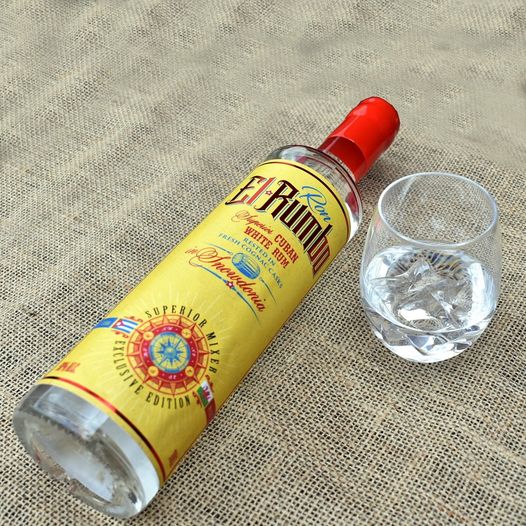
9. An often misconception of rum is that there is only one variety, whereas there are many different varieties including light, gold, navy, black and aged. If you like a light flavoured rum then try a white rum, Ron El Rumbo is an example of a great rum to either drink neat or mix. If you like something really rich then try black rum.
10. Following his death at the battle of Trafalgar, Horatio Nelson's body was preserved in a cask of rum to allow transportation back to England. However when the cask arrived the body was there but the rum was gone. It turned out that the sailors had drilled a hole in the bottom of the cask and drunk it all, this is where the term “Nelson’s blood” came from as the sailors would have been drinking rum mixed with his blood. It also serves as the basis behind the term “tapping the admiral” being used to describe drinking liquor from a cask through a straw.
Written by Oliver Partington







Part of the Dominique London Group